English
 Русский язык
 بالعربية

Products Description
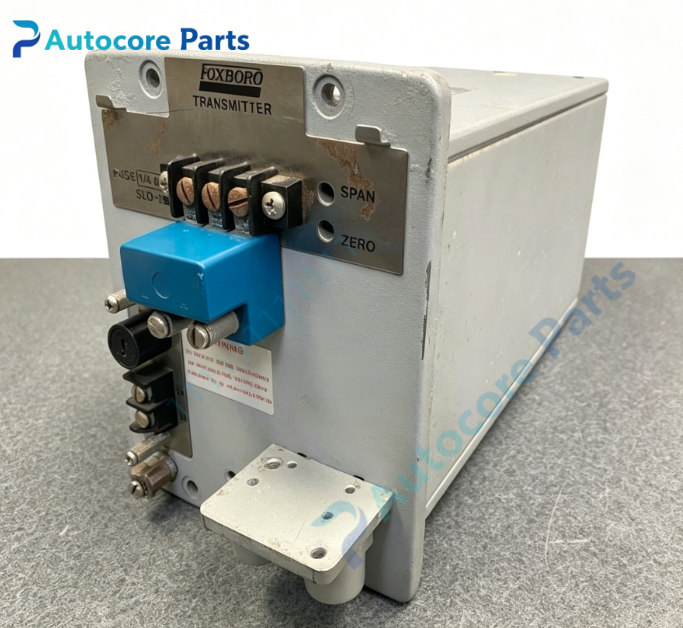
Foxboro 33C‑AJ‑D Spec‑200 Temperature Transmitter Module

Technical Specifications
Model:33C‑AJ‑D
Brand:Foxboro
System compatibility:Spec‑200 analog DCS system
Function:RTD temperature signal conditioning and conversion
Sensor input:Platinum RTD resistance sensor
Output signal:4‑20mA analog current loop signal
Calibration:On‑board zero and span potentiometer for field calibration
Installation:Standard Spec‑200 rack slot,direct backplane bus connection
Module power supply:120VAC nominal
Accuracy:±0.1% full scale
Typical response time:5ms
Environmental standard:Compliant with ISA‑S71.04 Class G3 industrial atmospheric condition
Housing:Metal shielded rack‑mount housing,anti‑vibration mechanical structure
Protection class:IP20
Horizontal operating temperature:0℃ ~ +60℃
Vertical operating temperature:‑20℃ ~ +55℃
Storage temperature:‑40℃ ~ +85℃
Relative humidity:5%‑95% non‑condensing
Weight:0.54kg
Dimensions:34mm × 126mm × 142mm
Certification:CE,UL
MTBF:>92000 hours
Built‑in function
33C‑AJ‑D temperature transmitter collects resistance signal from field‑mounted platinum RTD sensors and converts temperature measurement to standard 4‑20mA analog signal for Spec‑200 rack processing. Zero‑span potentiometers support on‑site calibration without removing module from rack. Shielded metal housing restrains electromagnetic interference to guarantee stable temperature acquisition for petrochemical,power and chemical process loops.
Product Brief
33C‑AJ‑D belongs to Foxboro Spec‑200 legacy DCS spare‑part family,obsolete original automation component. It needs to be fitted into matching Spec‑200 instrument rack with proper RTD field wiring. Widely used for original Foxboro DCS equipment maintenance and renovation. ESD anti‑static protection shall be followed during installation