English
 Русский язык
 بالعربية


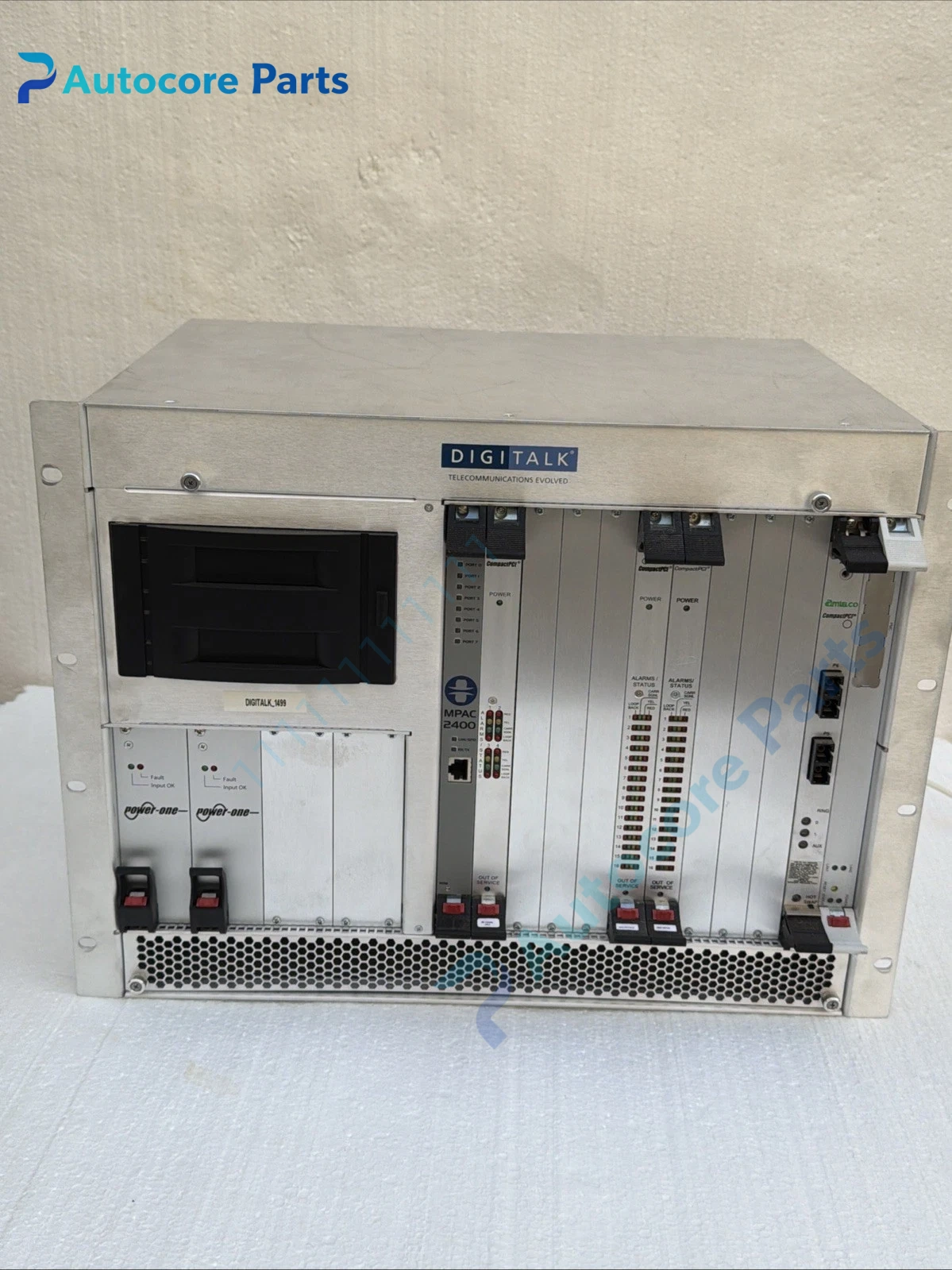
Products Description
Telecommunication Communication Standard

Module Feature
Telecommunication refers to the whole set of technical system for transmitting information over distance.
It covers multiple transmission media including fiber optic cable, twisted pair, coaxial cable and radio frequency. It supports analog voice, digital serial, Ethernet and fieldbus protocols. It is commonly used for inter-station data exchange, remote instrument signal upload, interlock command transmission and emergency voice communication of industrial automation systems.
Working principle
Information is encoded into electrical or optical carrier signal at the sending terminal.
The modulated carrier propagates through transmission medium, and the receiving terminal demodulates and restores the original information. Signal repeaters, switches and routers are deployed to extend transmission distance and organize network topology.
Onboard components
Transceiver module, signal cable, network switch, fiber media converter, terminal junction box, surge protection unit.
LED indicators
Dependent on matched communication hardware, typical indicators show power, link active, data transmit/receive and fault alarm.
Hardware self‑diagnosis
Diagnosis is completed by communication equipment, detecting link break, signal attenuation, packet loss and protocol mismatch.
Programming software
Network management software, used for IP planning, VLAN division, link status monitoring and communication parameter configuration.
Electrical & Process Parameters
Model:TELECOMMUNICATION Brand:General industrial category Device type:Information transmission system Function:Long-distance transmission of voice, data and control signals for industrial automation
Mechanical & Structure
Mounting:Cabinet rack, pipeline or overhead cable laying Protection class:Depends on specific communication device Housing:Not applicable for this general term
Environmental
Operating temperature:-40℃ ~ +70℃ Storage temperature:-40℃ ~ +85℃ Ambient humidity:5~95% non‑condensing
Certification:CE, IEC, FCC
Status:General industrial communication classification
Installation
Separate communication cables from high-power power cables to reduce electromagnetic interference.
Ground shield layer properly and install surge protection for outdoor long-distance lines.
Interface
Fiber optic port, RJ45 Ethernet port, serial terminal block, radio antenna port.
Diagnostic
No link: Cable broken, connector loose or device power loss.
High packet loss: Excessive signal attenuation, electromagnetic interference or connector contamination.
Communication interruption: Lightning surge damage, switch port failure or network configuration conflict.
Product Brief
Telecommunication, industrial remote information transmission system, supporting control signal and voice data transmission for field automation systems.